What Courses Are Available at a Real Estate College? A Full Overview for Aspiring Representatives
Aspiring realty representatives have a varied array obviously offered to improve their expertise and abilities. These offerings range from fundamental courses in actual estate principles to specialized training in areas like building management and industrial property. Understanding the numerous academic paths can be important for success. What necessary topics and strategies will these courses cover, and exactly how might they form an agent's profession?
Comprehending the Essentials: Property Concepts
The structure of genuine estate understanding copyrights on understanding its principles. These concepts include vital ideas that govern the buying, marketing, and administration of residential properties. Key subjects include property possession, land usage, and the different civil liberties connected with possession. Comprehending the distinctions between property, commercial, and commercial properties is essential, as each group has special market dynamics.
Additionally, pupils discover market evaluation, which entails reviewing residential or commercial property values and trends to make informed choices (Real Estate School). Realty concepts additionally cover the significance of agreements and the legal framework that supports property purchases. Familiarity with funding choices, such as car loans and home loans, is vital for directing the economic facets of real estate. Generally, a strong grasp of these concepts gears up aspiring representatives with the foundational knowledge necessary to succeed in the affordable real estate market, leading the way for further specialized training and licensing

Licensing Needs and Exam Prep Work
Aspiring genuine estate representatives should navigate details licensing requirements to practice lawfully in their particular states. These needs generally include completing an assigned number of hours in pre-licensing education, which covers essential topics such as actual estate law, principles, and building administration. Candidates should likewise pass a state examination that evaluates their understanding and understanding of these topics.
Exam prep work is crucial for success. Several realty colleges supply examination prep courses that supply practice questions, study overviews, and testimonial sessions. These sources aid prospects familiarize themselves with the exam layout and material. Furthermore, joining study teams or using on-line systems can boost discovering via collaborative review and discussion.
As soon as the examination is passed, agents should look for their certificate via the state's realty commission, usually come with by history checks and fees. Meeting these licensing demands guarantees that representatives are geared up to serve customers efficiently and morally in the realty market.
Specialized Courses: Home Management
Understanding the intricacies of building monitoring is necessary for real estate experts seeking to improve their expertise in this customized field. Property administration training courses offer representatives with important understandings into the daily procedures of managing domestic and business buildings. These programs commonly cover essential subjects such as lessee relationships, lease contracts, and residential property maintenance.
Additionally, striving building managers discover about economic management, consisting of budgeting and rent collection methods, as well as legal duties connected to occupant civil liberties and building policies.
Training courses may likewise discover advertising methods for drawing in occupants and devices for home management software that enhance procedures. By finishing specialized residential or commercial property monitoring training courses, property professionals can better furnish themselves to take care of the obstacles of managing buildings efficiently, inevitably bring about boosted client fulfillment and service development. This understanding is vital for those aiming to excel in the affordable genuine estate market.
Business Realty: A Different Perspective
Business genuine estate runs under unique market dynamics that distinguish it from homes. Recognizing financial investment approaches certain to this sector is important for success, as is identifying the value of networking chances readily available to experts. These components with each other shape an all-encompassing approach to going across the intricacies of industrial property.
Unique Market Characteristics
Financial Investment Approaches Clarified
Countless financial investment strategies exist within the domain name of business genuine estate, each tailored to meet specific monetary goals and market problems. One usual technique is value-add investing, where investors get underperforming buildings, enhance their worth through restorations, and consequently raise rental earnings. One more approach is core investing, concentrating on supported, premium assets in prime places that provide consistent capital. In addition, opportunistic investing includes greater danger, targeting buildings requiring substantial redevelopment or in emerging markets. Realty investment company (REITs) provide an extra passive strategy, enabling people to invest in a varied profile of commercial properties. Crowdfunding platforms have emerged, making it possible for small capitalists to partake in larger commercial deals, democratizing access to the business actual estate market.
Networking Opportunities Available
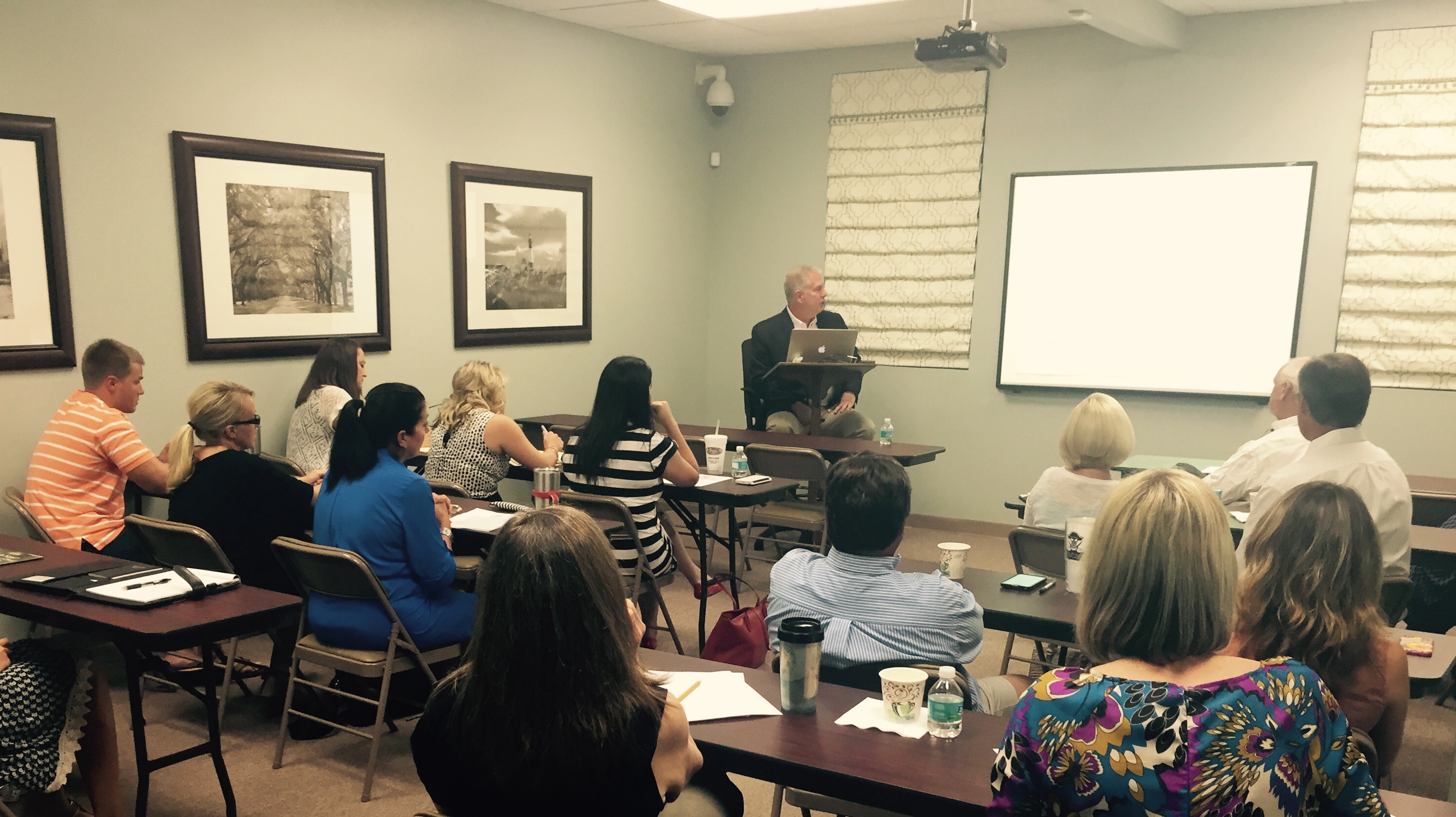
In the domain of realty investing, developing a durable specialist network can significantly boost possibilities for success. Networking possibilities abound at genuine estate colleges, where ambitious representatives can link with industry experts, teachers, and fellow students. Workshops, seminars, and guest lectures typically feature knowledgeable representatives and brokers that share understandings and experiences, providing invaluable calls. Several institutions additionally facilitate regional meetups and networking occasions, encouraging pupils to involve with the broader property area. In addition, on the internet platforms and discussion forums related to these programs enable for continuous communication and collaboration. By leveraging these possibilities, pupils can promote relationships that may lead to mentorship, collaborations, and potential job placements, ultimately assisting in their specialist development within the competitive business realty sector.

Realty Financial Investment Approaches
Realty investment strategies vary considerably, including methods such as rental residential or commercial property financial investments, flipping homes, and engaging with Property Financial Investment Counts On (REITs) Each approach offers unique chances and dangers that financiers should carefully think about. Recognizing these options is crucial for anyone aiming to develop an effective realty profile.
Rental Home Investments
Several investors locate rental property investments to be a compelling method for developing wide range and generating passive earnings. This technique involves purchasing domestic or commercial residential or commercial properties to lease to lessees, making certain a constant cash flow. Successful rental property financial investments need detailed market research, examining property values, and comprehending regional rental need. Capitalists often benefit from tax advantages, such as depreciation and mortgage interest reductions. In addition, property management abilities are essential for keeping tenant relationships and making certain prompt lease collection. Lasting admiration of building worths can additionally enhance a financier's portfolio. Overall, rental property investments can supply a steady income and add to monetary safety, making them an eye-catching alternative for lots of in the property market.
Flipping Houses Strategies
Flipping residences has arised as a preferred the original source method for genuine estate capitalists seeking quick returns on their investments. This method entails acquiring underestimated homes, making required renovations, and offering them at a greater cost. Successful residence flippers commonly carry out complete marketing research to recognize promising communities and residential properties with potential for recognition. They usually focus on cosmetic upgrades, such as bathroom and kitchen remodels, to boost charm without spending too much - Real Estate School. In addition, recognizing financing choices and handling budgets are necessary for optimizing profits. Time is essential in this approach, as extended restorations can deteriorate profit margins. Eventually, turning houses requires a blend of market knowledge, renovation skills, and economic acumen to be effective in an affordable genuine estate landscape
REITs and Diversity
Direct home investment can produce high returns, Real Estate Investment Trusts (REITs) offer a compelling option that enables investors to expand their profiles without the intricacies of handling physical properties. REITs are companies that possess, run, or money income-producing actual estate throughout different fields, consisting of household, industrial, and industrial residential or commercial properties. By buying REITs, people can gain direct exposure to property markets without the demand for considerable capital or straight administration responsibilities. This investment vehicle additionally offers liquidity, as shares can be easily bought and marketed on stock market. In addition, REITs frequently pay rewards, using a regular income stream. Overall, including REITs into a profile can enhance diversification and alleviate dangers linked with conventional residential or commercial property financial investments.
Continuing Education And Learning and Professional Advancement
As the property market evolves, specialists should take part in continuing education and learning and professional advancement to stay competitive and educated. This recurring learning is important for adapting to modifications in legislations, technology, and market patterns. Property schools use various training courses developed to improve abilities and knowledge, consisting of advanced settlement strategies, residential property administration, and advertising techniques.
Lots of states require qualified representatives to complete a collection variety of continuing education hours to keep their licenses. These training courses frequently cover basic topics such as ethics, fair housing regulations, and danger administration.
Additionally, industry workshops and workshops offer networking chances, enabling representatives to get in touch with peers and industry leaders. By participating in these academic programs, realty experts can guarantee they stay responsive and skilled to client requirements, eventually resulting in career growth and success in a vibrant market.
Often Asked Questions
What Is the Typical Period of Realty Courses?
The normal duration of property courses varies, generally ranging from a couple of weeks to a number of months. Elements influencing this period consist of program content, delivery approach, and state demands, influencing hopeful agents' instructional timelines.
Are Online Courses Available for Real Estate Education?
Yes, numerous on-line programs are available for actual estate education and learning. These programs offer you could check here flexibility and accessibility, permitting individuals to learn at browse around here their own pace while covering vital subjects essential for acquiring real estate licenses and expertise.
Just How Much Do Realty Courses Typically Expense?
Property training courses normally range from $200 to $1,500, relying on the organization and training course length. Extra costs for materials, tests, and state licensing may additionally use, adding to the general expense of education and learning.
Can I Take Real Estate Courses Part-Time?
Yes, people can take property courses part-time. Several schools provide flexible scheduling options, enabling ambitious agents to stabilize their research studies with other commitments, making it easily accessible for those with active way of livings.
What Careers Can I Go After After Finishing Property Courses?
These offerings range from fundamental classes in genuine estate concepts to specialized training in areas like home monitoring and commercial genuine estate. Genuine estate concepts additionally cover the importance of agreements and the lawful framework that supports genuine estate deals. While numerous actual estate experts concentrate on domestic markets, the dynamics of business real estate present distinct challenges and possibilities that need a different technique. Genuine estate investment techniques vary considerably, incorporating techniques such as rental residential property financial investments, flipping residences, and engaging with Real Estate Investment Trusts (REITs) Straight building financial investment can generate high returns, Real Estate Financial Investment Counts On (REITs) supply a compelling choice that allows investors to diversify their portfolios without the complexities of managing physical residential or commercial properties.
Comments on “How a Real Estate School Helps You Understand Market Trends”